
The Person Who Made $69 Million with NFTs Four Years Ago Is Still Making Money





beeple, the man who sold a single NFT for a record-breaking $69 million, has always been seen as a symbol of the NFT golden age that once was.

Despite the fading glory of NFTs, beeple and his team have remained active in the NFT community. At this year's Basel Art Fair, he once again brought a "Golden Dog" — Regular Animals — to the currently lackluster NFT market.
Yesterday, multiple pieces of Regular Animals were sold on OpenSea for over 10 ETH (around $35,000) each, even though this artwork was originally given out for free at the Basel Art Fair, with a total of 256 pieces distributed. By this calculation, beeple gave away NFTs worth millions of dollars at the Basel Art Fair.
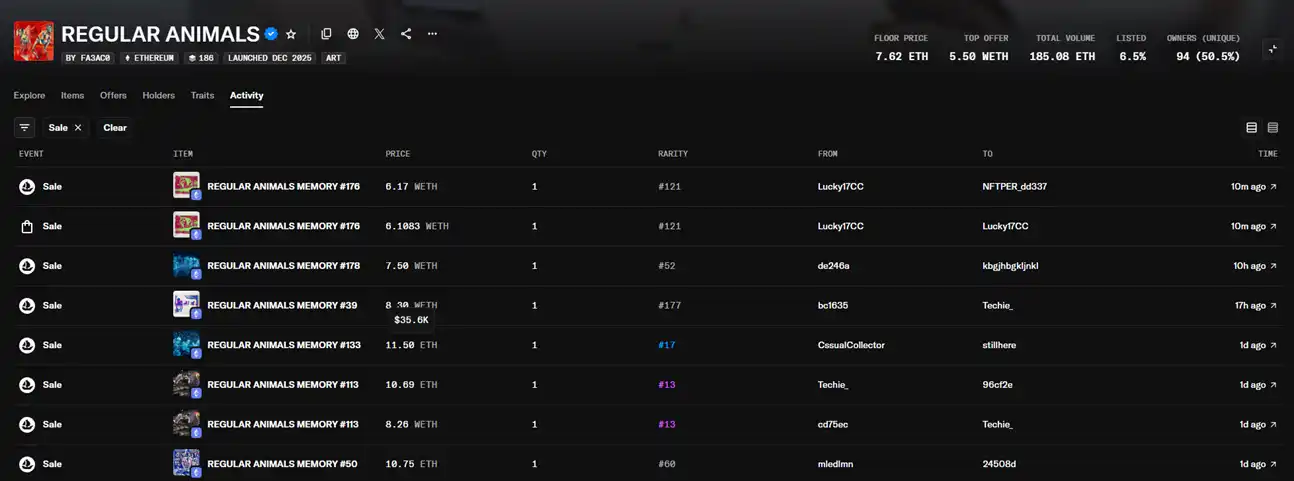
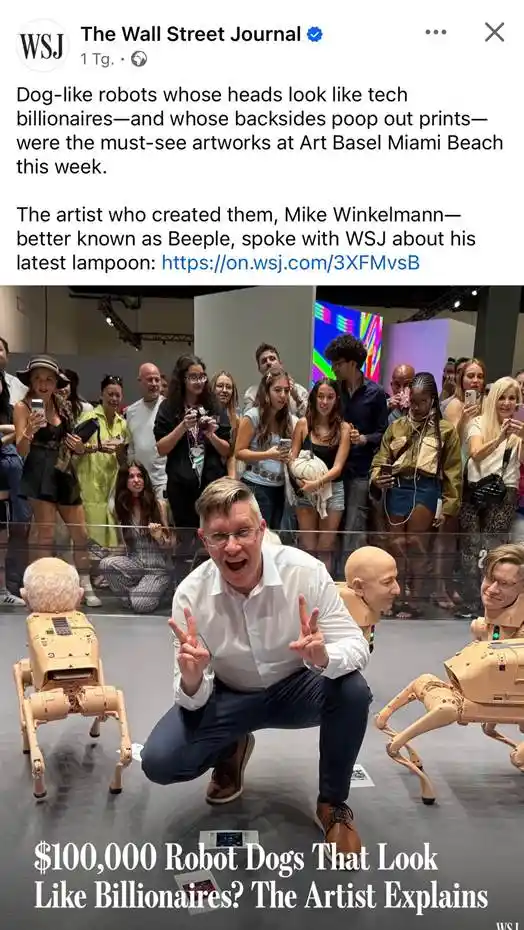
For the Basel Art Fair project, beeple and his team presented Regular Animals, a collection of "regular animals." These are a bunch of robotic dogs, as shown in the image below, with somewhat eerie human faces resembling well-known personalities such as Musk, Andy Warhol, Zuckerberg, Picasso, and even beeple himself.
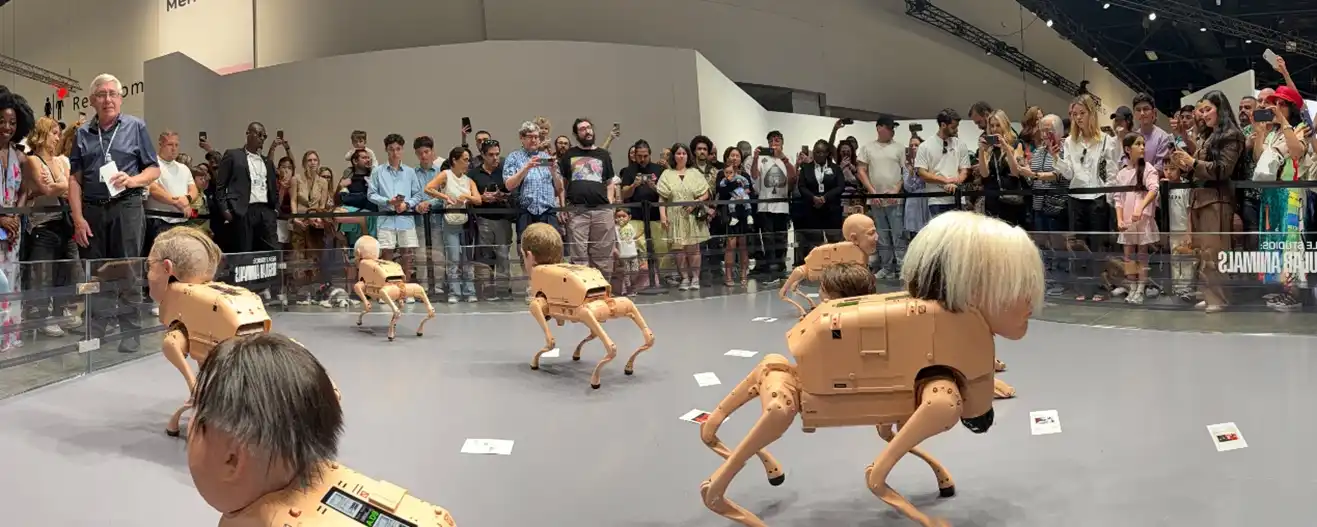
However, the visual effect of these somewhat eerie robotic dogs is not the only feature; these robotic dogs observe their surroundings through cameras in their heads and use a continuously evolving visual algorithmic logic to create art.
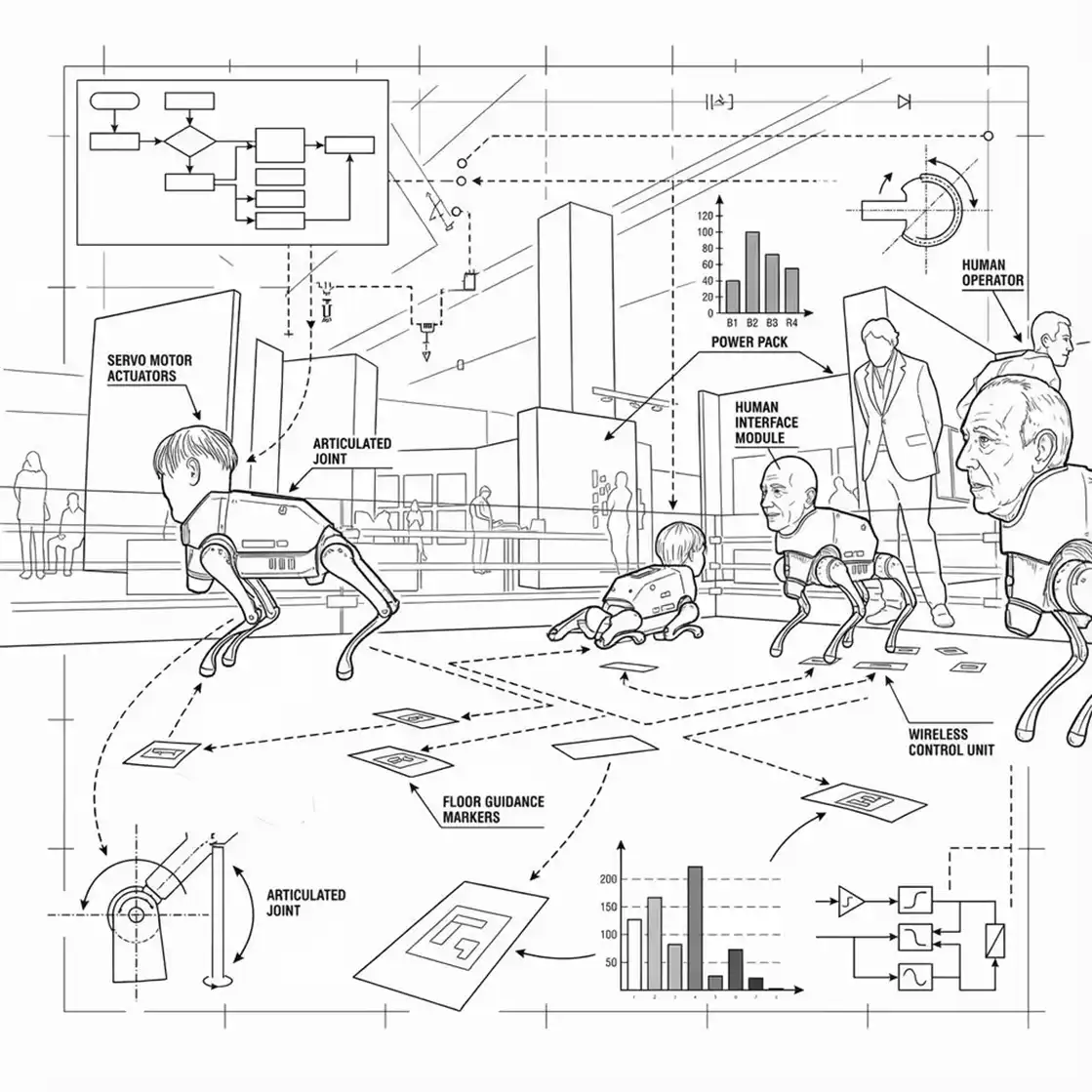
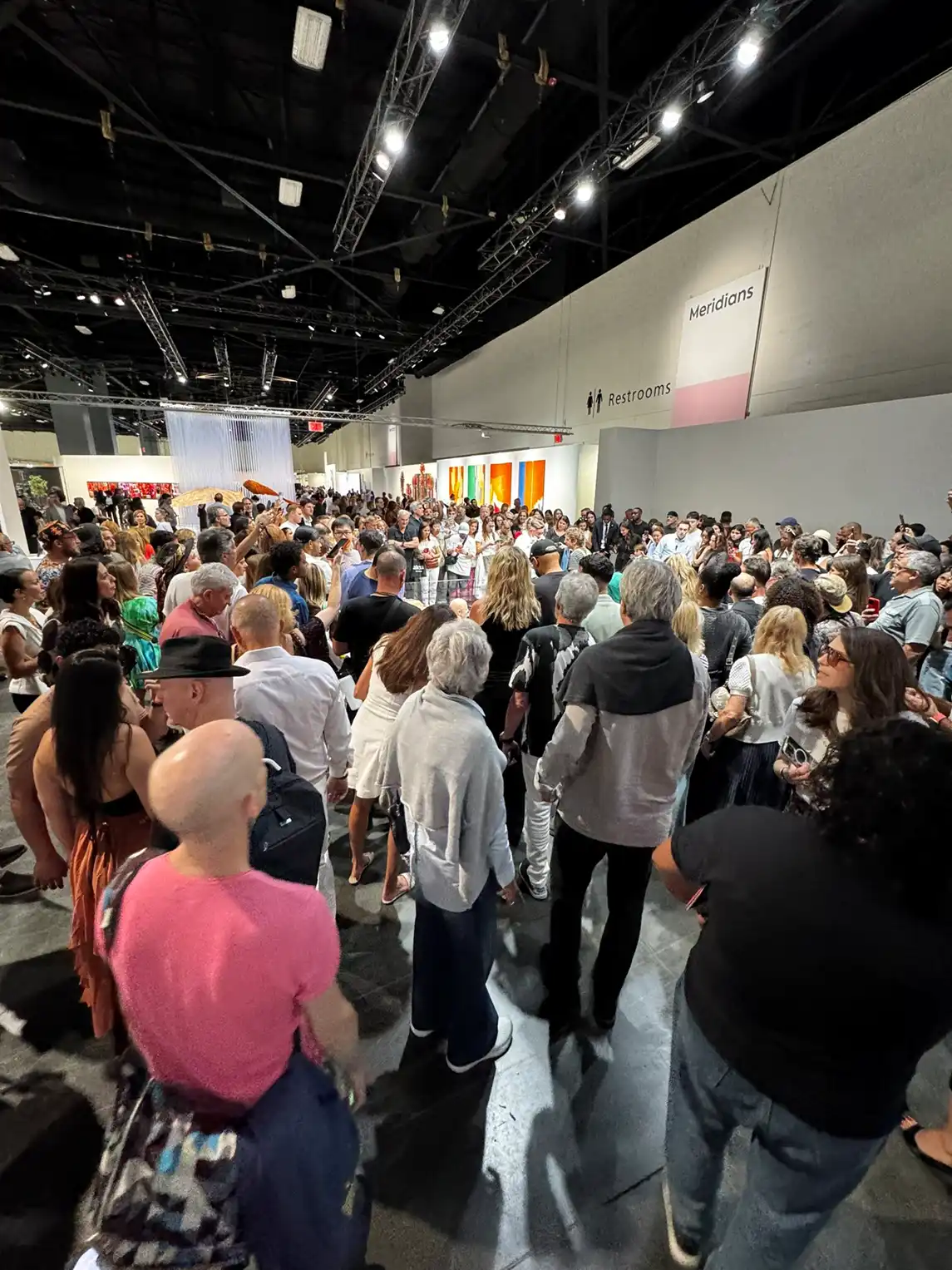
The selection of these celebrity personas embodied by the robotic dogs is not arbitrary. These personalities were chosen because they have influenced the way humans perceive the world, whether through algorithms, art, or politics. As humans, we view the world through these perspectives, and so do these robotic dogs. At the Basel Art Fair, these robotic dogs and humans observe each other, and each moment of observation becomes an artwork created by these robotic dogs, which serve as their autobiographies.
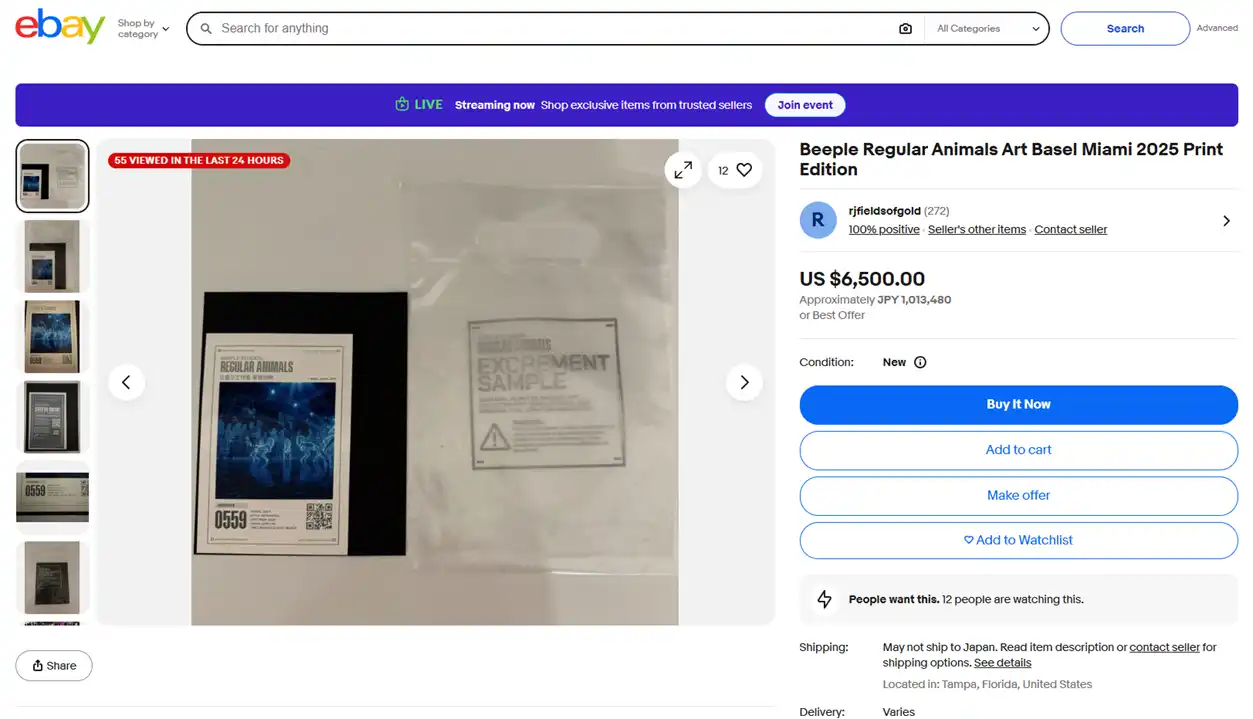
Interestingly, Regular Animas also has a physical series, totaling 1024 pieces. On eBay, someone has already listed it for a fixed price of $6500. The market pricing suggests that the NFT is far more valuable than the physical artwork, reminiscent of Damien Hirst's "The Currency" series from years ago, forcing owners to choose between physical and NFT.
Before achieving great success in the NFT space, beeple had been creating art every day since 2007, with none selling for over $100. After gaining fame and fortune, beeple did not splurge like some artists or crypto project founders. Instead, he acquired a roughly 460-square-meter studio/gallery, assembled a team of dozens of 3D artists, engineers, and researchers (including a former Boeing engineer), invited Carolyn Christov-Bakargiev, former director of the Castello di Rivoli contemporary art museum, as an advisor, continuously exhibited his work at art shows around the world, and created new art pieces.
Beeple's recent exhibition featuring robotic dogs has garnered attention not only in the crypto community due to its prices but also received coverage from traditional media outlets like the WSJ.
You may also like

How much longer can Ethereum's last big buyer hold on?

The pricing controversy of Trade.xyz exposes the fatal weakness of Pre-IPO perpetual contracts

World Cup 2026 Coming – WEEX Celebrates with $1M Prize Pool & Michael Owen Live

Galaxy in-depth report: Is Solana still worth paying attention to?
Young people in South Korea make a "final effort" in the epic bull market

Dialogue with OmenX Founder: Why does the prediction market need an evolution from "spot" to "derivatives"?
When the P2P illicit funds from ten years ago turned into 60,000 bitcoins

Morning News | CME Group launches Nasdaq Cryptocurrency Index futures; Asset management giant Janus Henderson strategically invests in Ethena
Why did Oracle deliver the strongest financial report in history, yet its stock price fell?

Bitcoin Layer 2 Network Botanix: Why Did We Choose to Dissolve?

Morning Report | OpenAI has submitted an S-1 registration statement draft to the U.S. SEC; Morpho completes $175 million financing

Galaxy Deep Research Report: How Hyperliquid's HIP-4 Upgrade Changes the Landscape of Prediction Markets?

Latest research from 13 top universities including Cornell University: The current state, challenges, and misconceptions of the fusion of Crypto and AI
Deconstructing Anthropic: The Best AI Company, Possibly Also a Type of Organizational Invention

Every exchange is a "Universal Exchange."

The counterattack of traditional finance: Alliance chains are quietly reviving
Pantera Capital Partner: How Tokenization is Restructuring the Private Equity and Early Investment Ecosystem?

Mastercard Launches Agent Pay for AI, Plans to Record AI Agent Payment Authorizations on Polygon
Mastercard launched Agent Pay for AI, a new payment protocol designed to help AI agents make small payments such as pay-per-use access to data and APIs. The system plans to record human-granted AI agent permissions on Polygon, focusing on verifiable authorization, identity, and payment controls.
How much longer can Ethereum's last big buyer hold on?
The pricing controversy of Trade.xyz exposes the fatal weakness of Pre-IPO perpetual contracts
World Cup 2026 Coming – WEEX Celebrates with $1M Prize Pool & Michael Owen Live
Galaxy in-depth report: Is Solana still worth paying attention to?
Young people in South Korea make a "final effort" in the epic bull market
Dialogue with OmenX Founder: Why does the prediction market need an evolution from "spot" to "derivatives"?


