

 0%
0%Live Super Algorithmic Token price chart
Super Algorithmic Token key metrics
 Website
 X(Twitter)
How to buy Super Algorithmic Token?

Super Algorithmic Token price history
 Download data
1What is the all-time high (ATH) of Super Algorithmic Token?
2What is the all-time low (ATL) of Super Algorithmic Token?
Super Algorithmic Token technical analysis
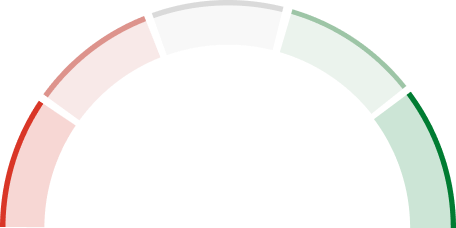
Additionally, the RSI is currently at 0, which is generally considered oversold, suggesting that the price has fallen too rapidly and might be poised for a bounce or upward correction.
Super Algorithmic Token (SATO) 2026 price prediction: Market outlook and investment analysis
Super Algorithmic Token holder statistics
Top 10 Super Algorithmic Token holders
Whale holding concentration (Monthly)
Super Algorithmic Token Holders
About Super Algorithmic Token
SATO (SATOETH) Introduction
SATO (SATOETH) is an Ethereum-based token that serves as a programmatic homage to Bitcoin's fixed 21 million coin supply, implemented through an unchangeable bonding-curve system. This means the token's price increases as more units are minted, creating a self-regulating economy without central control. Drawing from CoinMarketCap data extracted on May 4, 2024, SATO launched without venture funding or insider advantages, appealing to purists in the crypto community. Experts like Ethereum co-founder Vitalik Buterin have praised bonding curves for their fairness in token launches, as noted in his 2017 blog on decentralized funding models. In practice, this setup has been used in projects like Bancor, where dynamic pricing stabilized early adoption. For beginners, think of it as an automated vending machine for tokens—buying early gets you a better deal, but demand drives costs up. This model fosters organic growth, making SATO a fresh take on scarcity in Web3.
Who Created SATO Coin?
The creators of SATO (SATOETH) remain pseudonymous, aligning with the decentralized ethos of crypto pioneers like Bitcoin's Satoshi Nakamoto. It's described as an open-source experiment, with no identified team or founders claiming credit, emphasizing code over personalities. According to CoinMarketCap's project details, SATO was deployed directly on Ethereum's blockchain as an immutable contract, preventing alterations post-launch. This approach echoes anonymous launches like Yearn.finance by Andre Cronje, who later revealed himself but started without fanfare. Industry analysts from Messari Research highlight in their 2023 report on fair launches that such anonymity reduces rug-pull risks, building trust through verifiable code. For newcomers, this means SATO's origins prioritize community governance over centralized control, though it requires due diligence via smart contract audits from firms like Certik. Real cases, such as the anonymous rollout of Uniswap, show how this can lead to rapid, organic adoption in the DeFi space.
How Does SATO Crypto Work?
SATO (SATOETH) operates on a bonding-curve model, where the token's price is mathematically tied to its circulating supply, automatically increasing as more tokens are purchased. Built on Ethereum, it uses smart contracts to enforce this curve, ensuring every buy mints new tokens at a progressively higher cost, capping at 21 million to mimic Bitcoin. Per CoinMarketCap data, this immutable setup means no one can change the rules after deployment. Crypto researcher Chris Burniske, in his book "Cryptoassets," explains bonding curves as tools for fair distribution, avoiding ICO pitfalls. In action, users interact directly with the contract via wallets like MetaMask, depositing ETH to receive SATO. This differs from traditional tokens by eliminating middlemen, but it introduces slippage risks during high demand. Beginners should note it's gas-fee dependent on Ethereum, with potential Layer-2 integrations for efficiency. Critically, while effective for scarcity, skeptics argue curves can lead to pump-and-dump scenarios, as seen in some failed experiments.
How is SATO Crypto Used?
SATO (SATOETH) is primarily used for speculative trading and as a collectible tribute to Bitcoin's principles, but its bonding-curve design opens doors for decentralized applications. Holders can trade it on platforms, leveraging its scarcity for potential value appreciation, or integrate it into Web3 experiments like DAOs. CoinMarketCap reports no utility beyond its experimental framework yet, but similar tokens have evolved into governance assets, as in Curve Finance where curve mechanics underpin liquidity pools. In real scenarios, users might stake SATO in future protocols for yields, drawing from Ethereum's DeFi ecosystem. For beginners, it's like buying into a digital art piece with built-in economics—hold for scarcity-driven gains or sell on curves for profit. However, its use is limited without broader adoption, questioning long-term viability compared to utility giants like ETH. Experts from Chainalysis note in their 2024 crypto adoption report that such tokens thrive in niche communities, but scalability issues on Ethereum could hinder widespread application.
Super Algorithmic Token price performance

Rate your computational analysis of SATO today
 0
0 0
0


FAQ
1. What is the current price of Super Algorithmic Token (SATO) in USD?
2. What is the market capitalization of Super Algorithmic Token (SATO)?
3. What is the circulating supply of Super Algorithmic Token (SATO)?
4. What factors influence the price of Super Algorithmic Token (SATO)?
5. Is Super Algorithmic Token (SATO) a good investment?
6. Where can I buy Super Algorithmic Token (SATO)?
7. What are the typical fees when buying Super Algorithmic Token (SATO)?
8. What are some technical indicators used for analyzing Super Algorithmic Token (SATO)?
Super Algorithmic Token news





SATO on WEEX
Discover easy-to-follow guides to buy Super Algorithmic Token and explore a wide range of crypto markets on our user-friendly platform. Plus, gain access to up to 400× leverage to boost your earning potential.
Join WEEX and kick off your trading adventure with a winning edge. Don't miss out—sign up now to supercharge your crypto investments!
Trending cryptos


